PhotosToSpace.com hosts the latest Carnival of Space.
Carnival of Space # 424 – PhotosToSpace.com
PhotosToSpace.com hosts the latest Carnival of Space.
PhotosToSpace.com hosts the latest Carnival of Space.
The guests and topics of discussion on The Space Show this week:
1. Monday, Sept. 21, 2015: 2-3:30 PM PDT (5-6:30 PM EDT; 4-5:30 PM CDT): We welcome back GERALD DRIGGERS to the show to discuss his recent Space Review article, Reduced gravity: the 400-kilogram gorilla in the room. See www.thespacereview.com/article/2802/1.
2. Wednesday, Sept. 23, 2015:,7-8:30 PM PDT (10-11:30 PM EST, 9-10:30 PM CDT): We welcome back DR. MIKE GRUNTMAN to discuss his new book, Intercept 1961: The Birth Of Soviet Missile Defense.
3. Friday, Sept. 25, 2015; 9:30 -11 AM PDT (12:30-2 PM EDT; 11:30-1 PM CDT): We welcome back DR. GIL LEVIN of the Viking Mars experiments with updates and new analysis..
4. Sunday, Sept. 27, 2015: 12-1:30 PM PDT (3-4:30 PM EDT, 2-3:30 PM CDT): We welcome. STUART ROBBINS of the Southwest Research Institute. Dr. Robbin will be discussing his Mars research and other research topics.
See also:
/– The Space Show on Vimeo – webinar videos
/– The Space Show’s Blog – summaries of interviews.
/– The Space Show Classroom Blog – tutorial programs
The Space Show is a project of the One Giant Leap Foundation.
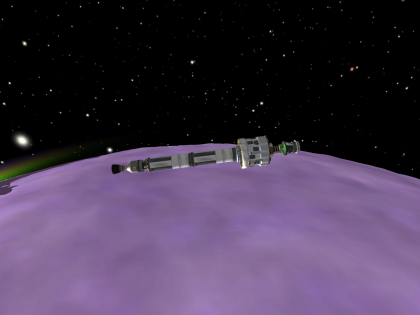
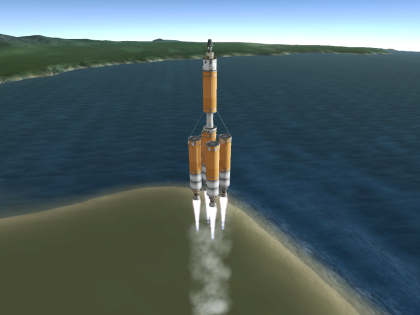
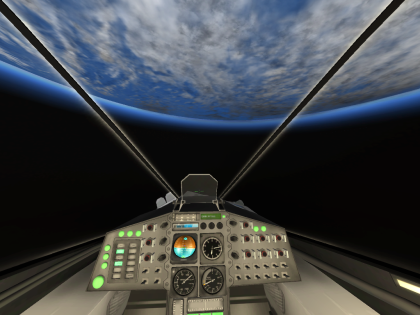
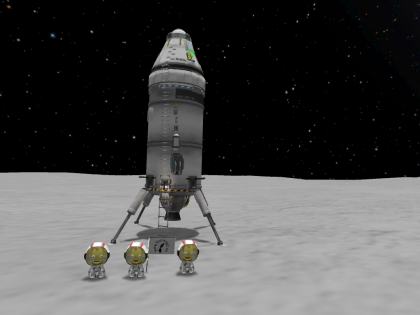
John Walker, founder of Autodesk, Inc. and co-author of AutoCAD, has posted a big Screenshot Gallery obtained from running Kerbal Space Program and learning a whole lot about rockets, orbital mechanics, and other aspects of spaceflight : New: Kerbal Space Program Screenshot Gallery – Fourmilog: None Dare Call It Reason.
The images were
accumulated over a several-months-long play-through in career mode which unlocked the entire technology tree and visited every body in the Kerbol system. An introduction explains the basics of the game to those unacquainted with it. I will add to the archive as adventures continue.
And
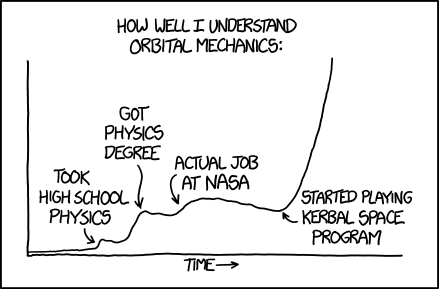
One thing which is certain is that after you’ve spent some time with Kerbal Space Program you will develop an intuition about orbital mechanics which few people, even authors of “hard” science fiction, have. Here is how Randall Munroe, creator of xkcd, described it.
A sample of Walker’s Kerbal screen captures:
The Science Museum in London is hosting an exhibition on the early Soviet space program: Cosmonauts: Birth of the Space Age.
The Science Museum YouTube channel has several videos related to the exhibition. Examples include:
The first woman in space, Valentina Tereshkova, visited the exhibition and participated in an on-stage interview:
A rare collection of Soviet space poster art is included: Posters of the golden age of Soviet cosmonauts – BBC News

See also
An announcement from NASA:
NASA Seeks Big Ideas from Students for Inflatable Heat Shield Tech
NASA is giving university and college students an opportunity to be part of the agency’s journey to Mars with the Breakthrough, Innovative, and Game-changing (BIG) Idea Challenge.
NASA’s Game Changing Development Program (GCD), managed by the agency’s Space Technology Mission Directorate in Washington, and the National Institute of Aerospace (NIA) are seeking innovative ideas for generating lift using inflatable spacecraft heat shields or hypersonic inflatable aerodynamic decelerator (HIAD) technology.
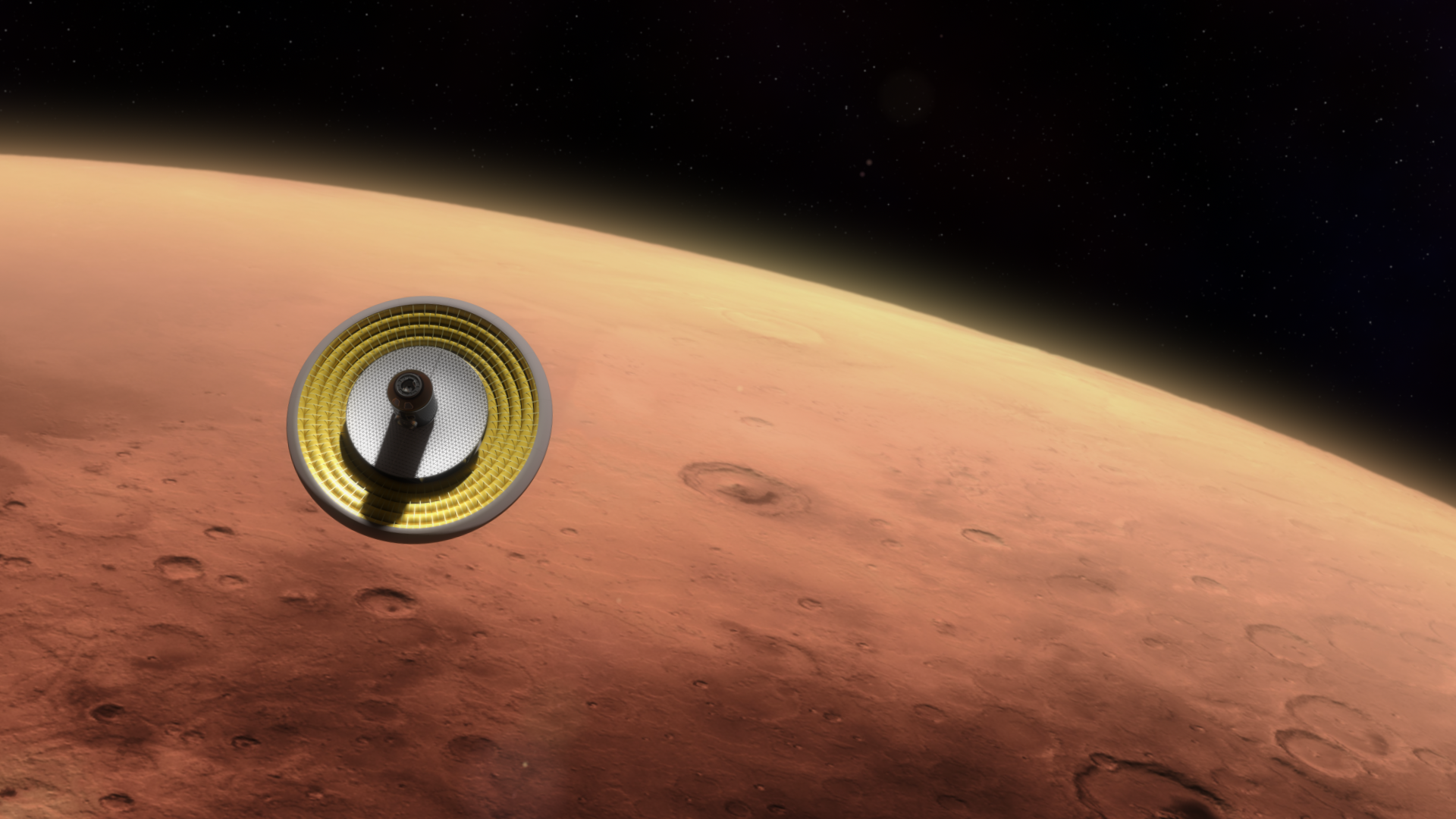
The NASA’s Mars Curiosity rover is the heaviest payload ever landed on the Red Planet — weighing in at only one ton. To slow a vehicle carrying a significantly heavier payload through the thin Martian atmosphere and safely land it on the surface is a significant challenge. NASA is addressing this challenge through the development of large aeroshells that can provide enough aerodynamic drag to decelerate and deliver larger payloads. HIAD technology is a leading idea because these kinds of aeroshells can also generate lift, which would allow the agency to potentially do different kinds of missions.
Interested teams of three to five undergraduate and/or graduate students are asked to submit white papers describing their concepts by Nov. 15. Concepts may employ new approaches such as shape morphing and pneumatic actuation to dynamically alter the HIAD inflatable structure.
Selected teams will continue in the competition by submitting in the spring of 2016 full technical papers on the concept. Up to four teams will present their concepts to a panel of NASA judges at the BIG Idea Forum at Langley in April 2016.
Each finalist team will receive a $6,000 stipend to assist with full participation in the forum. BIG Idea Challenge winners will receive offers ofpaid internships with the GCD team at Langley, where they can potentially work toward a flight test of their concept.
For more information about the challenge, and details on how to apply, visit the BIG Idea website at:
For more information about NASA’s Space Technology Mission Directorate, go to: