This weekend, three earth observation spacecraft were sent into orbit by two different rockets. On Saturday morning the final launch of a Delta II rocket sent the Ice, Cloud and land Elevation Satellite or ICESat-2 into a polar orbit, the spacecraft will
use lasers and a very precise detection instrument to measure the elevation of Earth’s surface. By timing how long it takes laser beams to travel from the satellite to Earth and back, scientists can calculate the height of glaciers, sea ice, forests, lakes and more – including the changing ice sheets of Greenland and Antarctica.
Delta II rockets have been launched 155 times since the first flight on Feb. 14, 1989.
- United Launch Alliance Successfully Launches Final Delta II Rocket with NASA’s ICESat-2 – ULA
- NASA, ULA Launch Mission to Track Earth’s Changing Ice | NASA
- Delta II concludes amazing legacy with ICESat-2 launch – NASASpaceFlight.com
- Final Delta II launch to mark end of first pioneering era of US rockets | collectSPACE
Here are two photos made by Anthony Galván III of the launch from Vandenberg AFB:
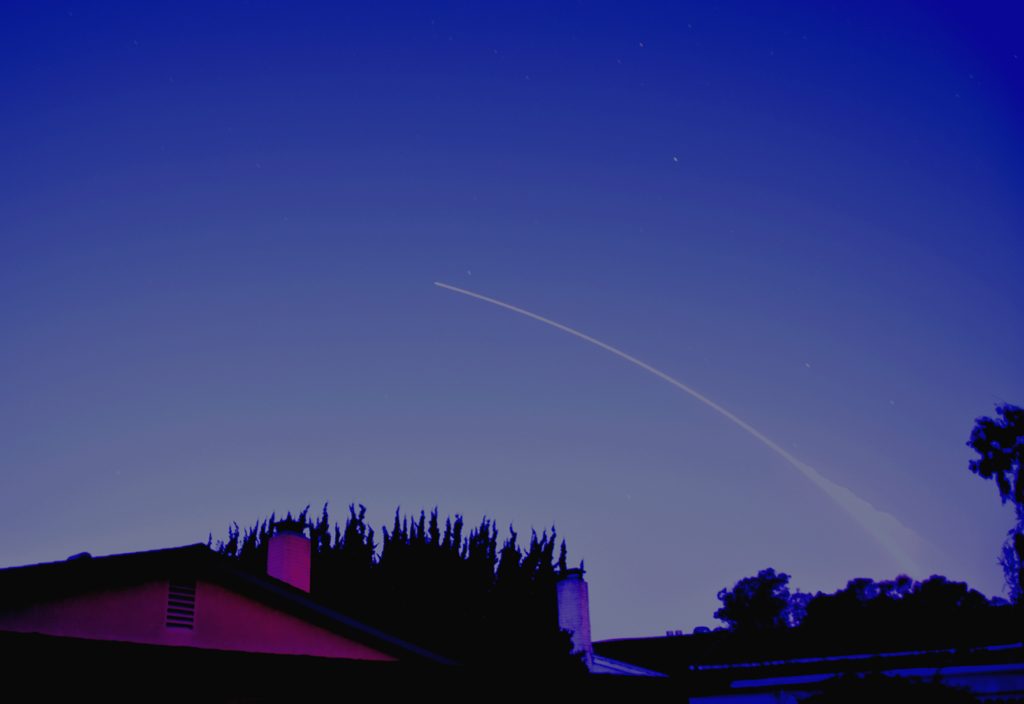
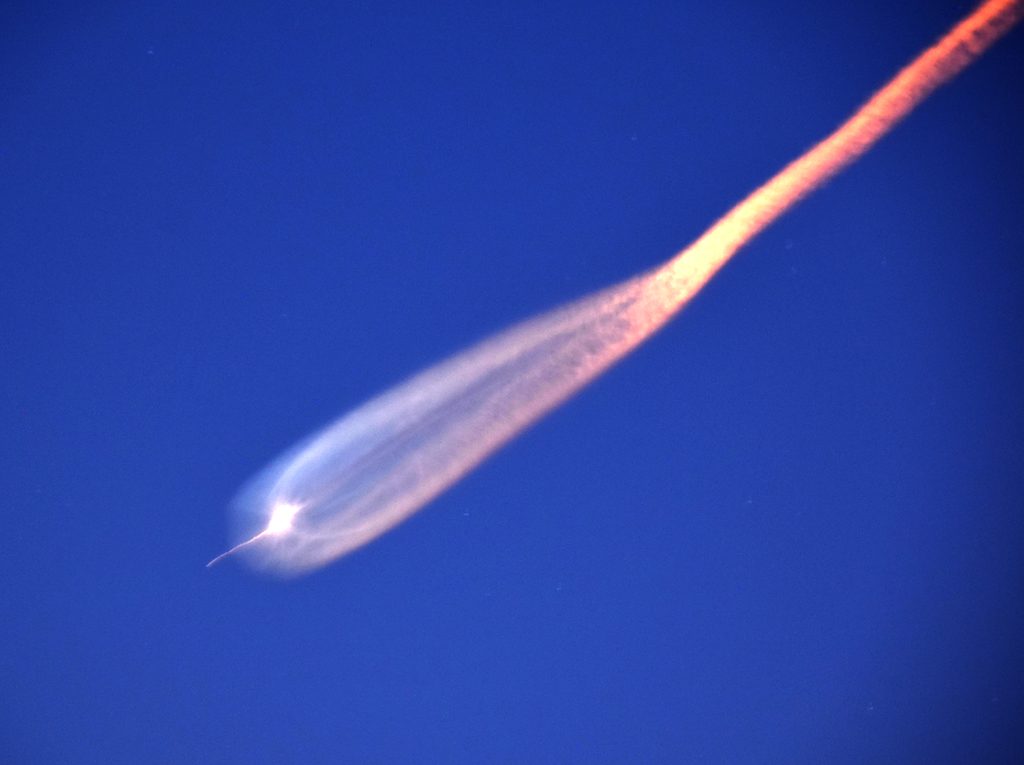
Anthony says,
The early morning launch was visible as the rocket’s exhaust plume was illuminated by the morning sun. However, downrange stage separation provided a spectacular view of the exhaust plume as the rocket climbs out of the earth’s shadow into direct sunlight.
===
Today the radar imaging satellite NovaSAR-1 and the high resolution optical imaging satellite SSTL S1-4 were sent into polar orbits by an Indian PSLV rocket:
Both satellites were built by Surrey Satellite Technology Ltd (SSTL), a spinoff from the smallsat program at the University of Surrey. (Airbus bought SSTL a few years ago but has kept it as an independent subsidiary.) SSTL confirms successful launch of NovaSAR-1 and SSTL S1-4 satellites | SSTL
NovaSAR-1 is the first SAR [Synthetic Aperture Radar] spacecraft to be manufactured entirely in the UK and is a technology demonstration mission designed to test the capabilities of a new low cost S-Band SAR platform. NovaSAR-1 will be the world’s first commercial SAR satellite to be operated at a 10:30 equator crossing time, providing time diversity for radar observations by affording increased daylight imaging opportunities in addition to night acquisitions. Synthetic Aperture Radar is a powerful tool for monitoring the Earth from space due to its ability to see through clouds and image the Earth night and day, and a constellation of three NovaSAR satellites could image any point on the globe every day, regardless of local time or weather.
…
SSTL S1-4 satellite is a sub one metre Earth observation satellite identical in design to the three DMC3/TripleSat Constellation satellites launched in 2015. A contract to provide data from SSTL S1-4 was signed with Twenty First Century Aerospace Technology Co., Ltd (21AT) in February 2018. As manufacturer and owner of the satellite, SSTL will lease imaging capacity to 21AT for the lifetime of the satellite, designed to be in excess of 7 years. SSTL S1-4 will contribute sub one metre resolution image data into 21AT’s existing TripleSat Constellation service, comprising three SSTL DMC3 satellites launched in 2015. SSTL S1-4 is capable of acquiring multiple targets in one pass, utilising spot, strip and mosaic imaging modes and 45 degree off-pointing agility for a range of applications including urban planning, agricultural monitoring, land classification, natural resource management and disaster monitoring. The very high resolution imager on board the spacecraft has been designed and manufactured by SSTL and will acquire sub one metre resolution images in panchromatic mode and sub four metre resolution images in multispectral mode, with a swath width of about 24km.
More about the launch and the two satellites:
- Indian Space:
- NovaSAR: UK radar satellite launches to track illegal shipping activity – BBC News
- Indian PSLV launches two British satellites – NASASpaceFlight.com
====