The first Ariane V launch took place on June 4, 1996. Unfortunately, the rocket exploded soon after liftoff due to a software problem.
There was another total loss on the 14th launch and three partial failures (two in the 1990s and one last year) occurred when the satellites were put into the wrong orbits and had to use their own fuel to reach the target orbits. In general, though, the Ariane V became a very reliable launcher. Failures early in launch vehicle’s launch history are the norm as seen, for example, with the two SpaceX Falcon 9 explosions (one in flight and one during a pad test).
Scott Manley gives some background on the Ariane V:
A couple of interesting and informative videos about the SpaceX BFR and the lunar fly-by announced on Monday:
** “Why does SpaceX keep changing the BFR?” – Tim Dodd, the Everyday Astronaut:
Elon Musk updated the world with the plans for SpaceX’s BFR at SpaceX HQ in Hawthorne. I attended to learn about all the new exciting changes! For now, we’re going to just look at what has changed with the vehicle over the years and why it keeps changing. Later we’ll do more in depth videos about Yusaku Maezawa’s beautiful #dearmoon project and the weird reentry system of the new BFR!
*** Sending Artists To The Moon With SpaceX – Scott Manley
SpaceX’s press event to announce a paying passenger on a flight around the moon took an amazing turn when Japanese Billionaire Yusaku Maezawa declared that he wanted the trip to be all about Art.
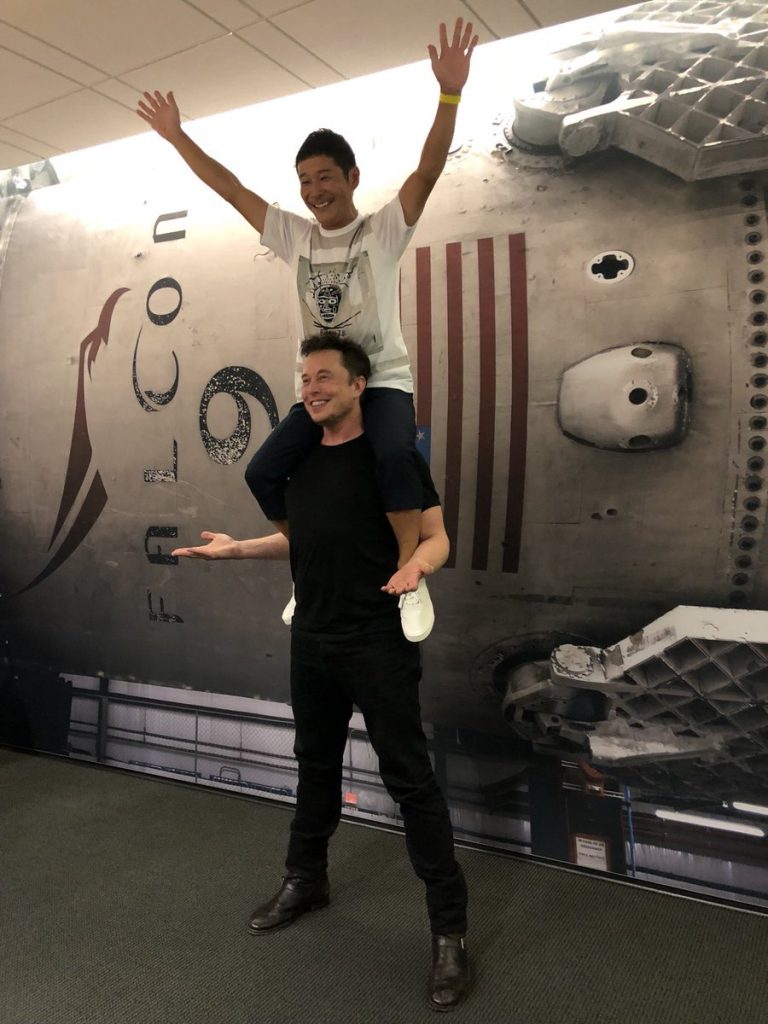
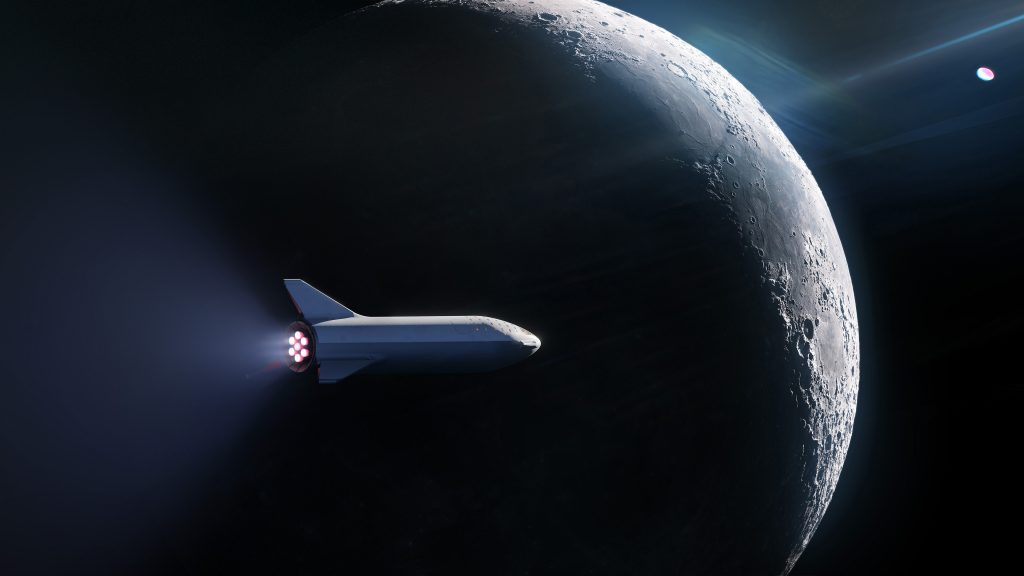
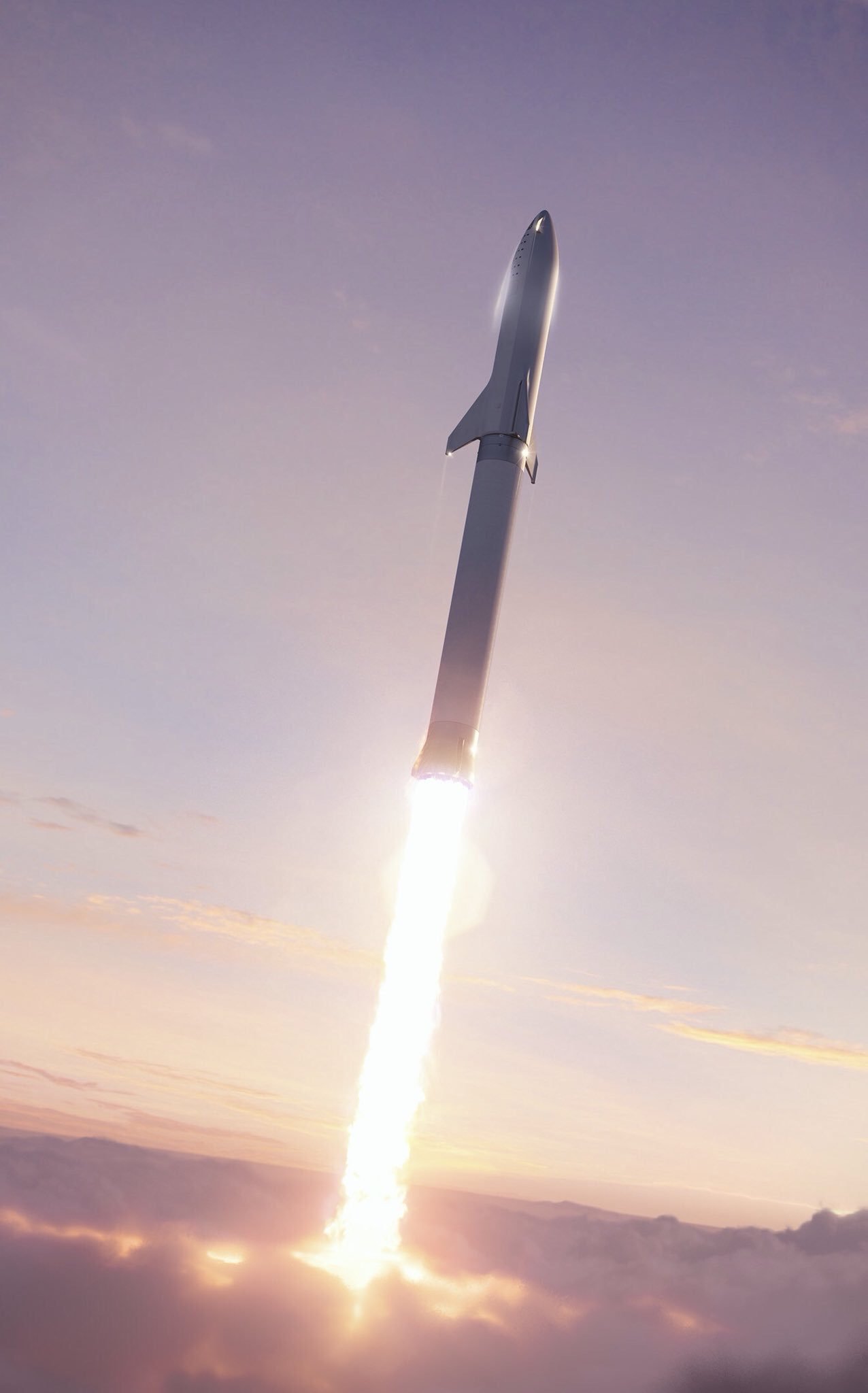
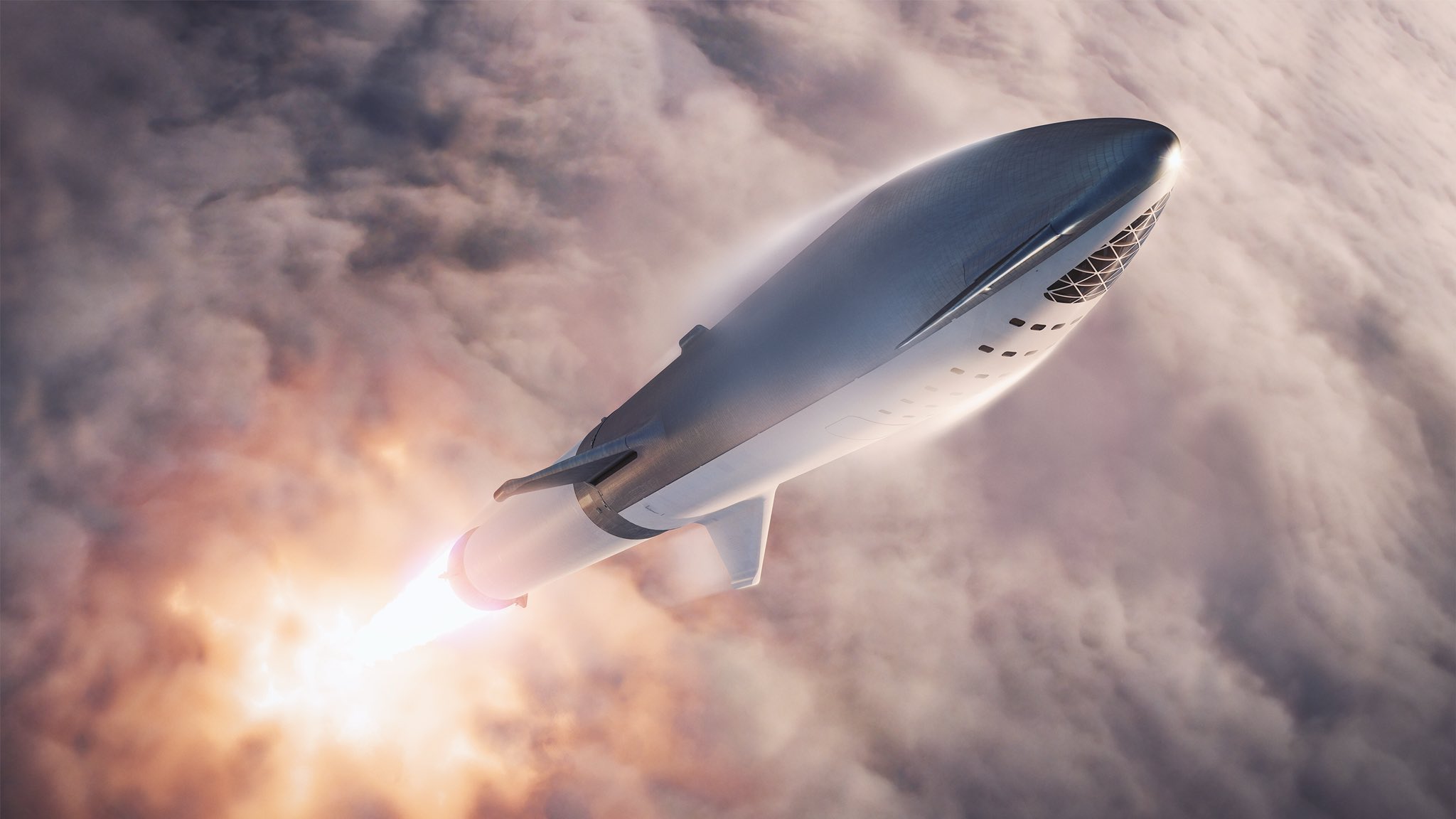
On Monday evening at the SpaceX HQ in Hawthorne, Calfornia, Elon Musk introduced billionaire entrepreneur and art collector YusakuMaezawa, as the mystery space tourist who has reserved a BFR (Big Falcon Rocket) for a flyby trip around the Moon. (See previous posting.) The flight could happen as early as 2023.
Maezawa will not be alone on the BFR, which can carry up to 100 people. He will take a group of 6-8 artists, film makers, architects, and other creative people of his choosing to share the 4-5 day long experience with him.
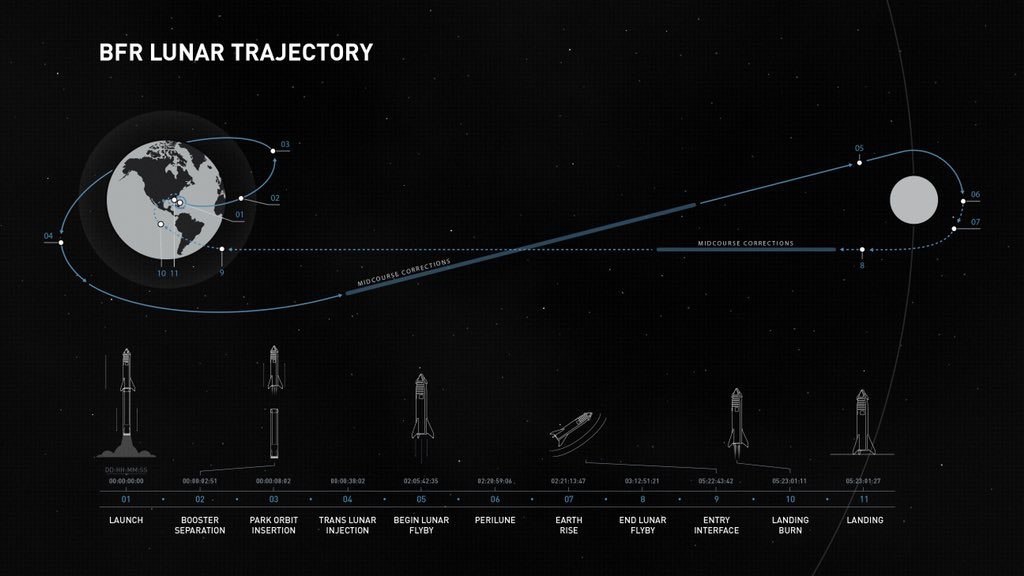
The BFR lunar flyby trajectory.
Maezawa has created a website #dearMoon to provide updates on the project. Here is a video about #dearMoon:
Maezawa would not say how much he will pay for the flight but Elon said the deposit alone will make a serious contribution towards the development of the BFR, which he said would probably cost in the $5 billion dollar range.
Major BFR structural components are already under construction and the Raptor engines are in an advanced state of testing. Up and down flights, or “hops”, of the upper stage are expected by late next year.
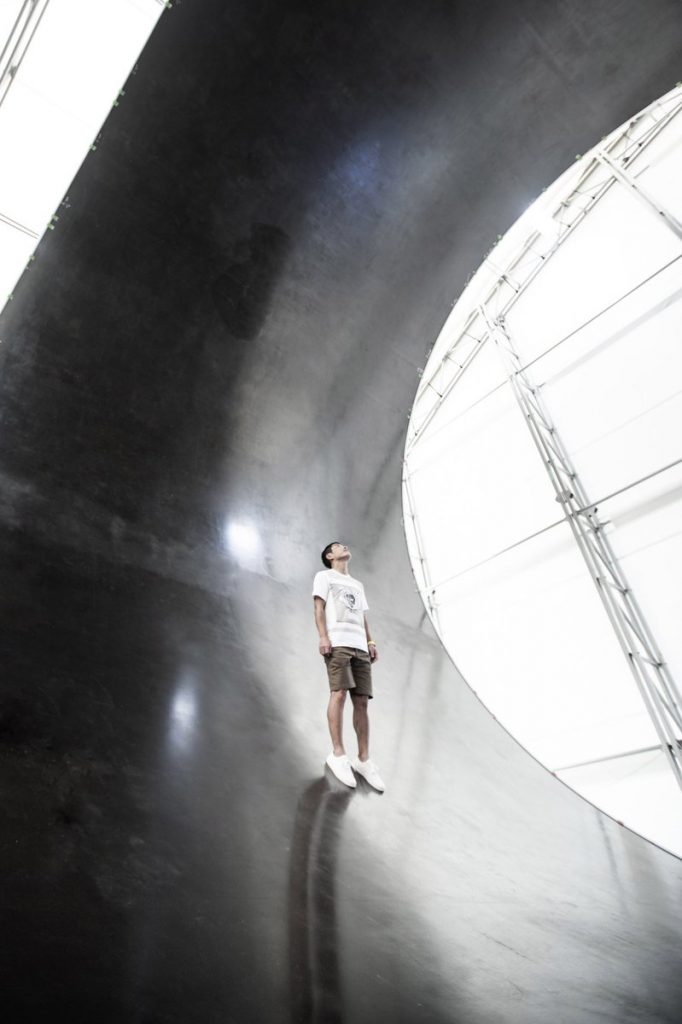
Yusaku Maezawa: “This is BFR from @spacex #dearMoon… “
[ Update: More about the big cylinder above – Elon Musk on Twitter: “That’s the first BFR airframe/tank barrel section
made of a new carbon fiber material… “]
Elon describes the latest BFR design:
A description of how the BFS (Big Falcon Spaceship, i.e. the upper stage) slows down in the atmosphere and then lands on the surface of Earth or Mars:
Tim Dodd, the Everyday Astronaut, gives his first impression of the night’s announcement:
Tonight Sept. 17, 2018, at 6:00 pm PDT (9:00 pm EDT), SpaceX will hold an event to lay out the company’s plan to fly a private passenger around the Moon on the next-generation, fully-reusable Big “Falcon” Rocket or BFR. According to SpaceX on Twitter:
“SpaceX has signed the world’s first private passenger to fly around the Moon aboard our BFR launch vehicle—an important step toward enabling access for everyday people who dream of traveling to space. Find out who’s flying and why on Monday, September 17.”