Here is this week’s Space to Ground report from NASA on the latest news about the International Space Station:
As mentioned in the video, an Orbital ATK Antares rocket is set to blast off from Wallops Island, Virginia on Saturday morning at 7:37 am EST. It will send a Cygnus cargo module to the ISS with over 3.3 metric tons of supplies, experiments, and equipment. The launch will be webcast on NASA TV. Updates on the mission can be found at OA-8 Mission Page and Orbital ATK (@OrbitalATK) | Twitter.
The rocket was lifted upright on the pad yesterday:
Weather permitting, the launch should be visible to some degree over much of the East Coast of the US. Here is a
Viewing Map for OA-8 Launch: Weather permitting, the launch of Antares from Wallops Island, Virginia, on November 11, 2017 may be widely visible along the East Coast. However, because this is an early morning launch, it is likely that the sun will interfere with viewing from most locations.
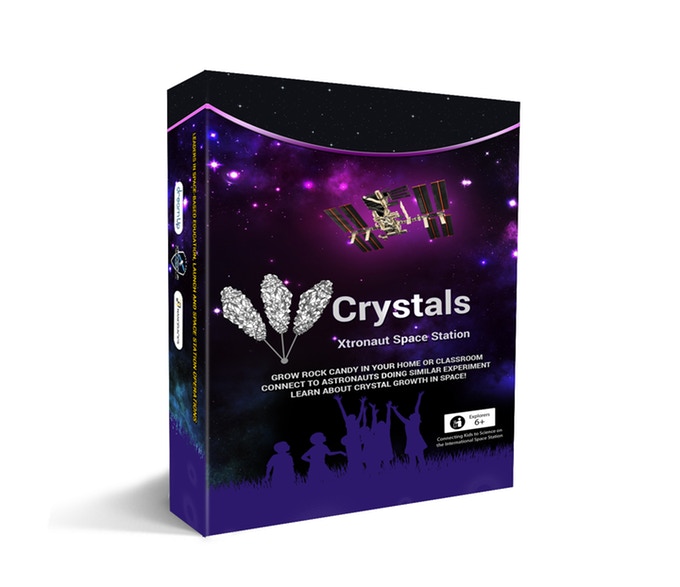
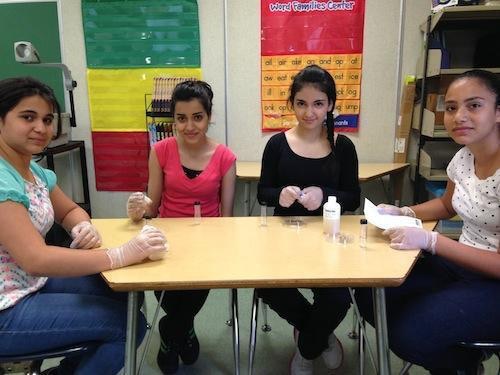
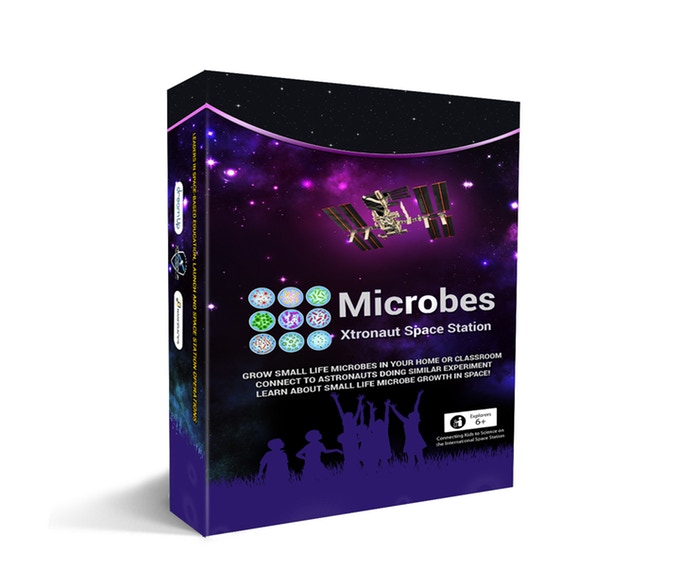
A Kickstarter has opened to back a program to let students run crystal and microbe growing experiments on the ground to compare with similar experiments on the International Space Station:
Kickstarter for STEM Education Program in Space Announced Xtronaut, NanoRacks, and DreamUp are launching two experiments to the International Space Station and producing affordable STEM experiment kits that let students compare their findings to results from space.
WASHINGTON, D.C., November 9, 2017 – Xtronaut, DreamUp, and NanoRacks announce a Kickstarter campaign to offer out-of-this-world STEM educational opportunities for learners. Xtronaut Space Station connects Earth-based experiments to science done by astronauts on the International Space Station (ISS), empowering students in classrooms, homes and afterschool programs to research in the stars.
The “Crystals in Space” and “Microbes in Space” ground kits are available to Kickstarter backers for $25 each. The Kickstarter campaign will run until December 9, and the kits will ship to backers in Q2 2018. More experiment kits and lessons are in production for future programs.
Each ground kit includes:
Experiment materials
Workbook with detailed instructions, lessons on space, in-depth descriptions of the science behind the experiments, fun activities, and more
Access to an online portal to compare the ground experiments with the experiments conducted on the ISS
“Crystals in Space” will include materials to grow sugar crystals on Earth and compare them to crystals grown in microgravity on the ISS. For “Microbes in Space,” astronauts on board the ISS will collect several samples from around the station to culture in Petri dishes. The ground experiment kits will allow learners to mimic this procedure by collecting culture samples in their homes or classrooms.
The “Microbes in Space” flight experiment is scheduled to launch November 11 on the Orbital ATK CRS-8 mission. “Crystals in Space” will launch to the ISS on SpaceX CRS-13, currently scheduled for December 4.
The Crystal Growth in Space kit is designed to teach you about the similarities and differences of crystal growth in microgravity on the ISS and in Earth’s gravity at your home or school.
The successful launch of this collaboration demonstrates yet again the robustness of the commercial pathway to space, both in industry and education. The partnership not only utilizes NanoRacks’ commercial research platforms inside the U.S. National Lab on the ISS but also DreamUp’s proven expertise in inspiring the next generation of explorers and innovators with space-based educational opportunities. Xtronaut has a track-record of delivering quality products through the Kickstarter platform, including the STEM board games, Xtronaut: The Game of Solar System Exploration, and Constellations: The Game of Stargazing and the Night Sky.
Jeffrey Manber, CEO of NanoRacks, commented,
“I’m delighted that a personal goal of mine is being met, that NanoRacks cutting-edge scientific platforms are making the ISS STEM community more accessible to everyone, including homeschooling families and other learners.“
Professor Dante Lauretta, Chief Science Advisors for Xtronaut and Principal Investigator for NASA’s OSIRIS-REx space mission, commented,
“This joint effort will create a very special learning opportunity for learners across the country, and we are pleased to work with NanoRacks, DreamUp, and their unique capabilities.”
Carie Lemack, CEO and Cofounder of DreamUp commented,
“We’re thrilled to provide a cost-effective way for students to become space scientists and engage in STEM learning, setting them on a path of exploration and scientific curiosity that can guide them both inside and beyond the classroom.”
Mike Lyon, CEO of Xtronaut, commented,
“Xtronaut, DreamUp, and NanoRacks are making space research available to all students on a low-cost basis. Students will have a special opportunity to discover the difference between conducting certain experiments on Earth and in space — and learn firsthand about special characteristics of space-based science.”
Visit the Kickstarter to learn more and reserve your Xtronaut Space Station Kit today!
The Microbes in Space kit lets student explorers learn about the different types of life growing around the ISS and compare it to small life in their environments. While astronauts are living in space, there are also other kinds of life on the ISS! However, most of this life is too small for the astronauts to see unless they help it grow. In this activity, you will perform an experiment to grow small life on Earth and compare it with the experiment conducted by astronauts on the ISS.
Here is the latest episode of Space to Ground from NASA about activities related to the International Space Station:
Here is a video of Expedition 53 Commander Randy Bresnik and Flight Engineers Joe Acaba and Mark Vande Hei of NASA talking “with KARE-TV in Minneapolis and the “Fox and Friends” morning talk program on the Fox Network”:
And here they talk with students in California:
Aboard the International Space Station, Expedition 53 Commander Randy Bresnik and Flight Engineer Joe Acaba of NASA discussed life and research on the outpost during an in-flight educational event Oct. 30 with students at the Santa Monica High School in Santa Monica, California. Acaba, who is a native of southern California, and Bresnik are in various stages of their respective five-and-a half-month missions on the orbital laboratory.
Here is the latest Space to Ground short video report from NASA on this week’s activities related to the International Space Station
This video shows all of the discussion on Thursday between Pope Francis and the ISS crew:
Aboard the International Space Station, Expedition 53 Commander Randy Bresnik and Flight Engineers Joe Acaba and Mark Vande Hei of NASA and Flight Engineer and Italian astronaut Paolo Nespoli of the European Space Agency discussed life and work in space and the spirit of international cooperation during a question and answer session Oct. 26 with Pope Francis at the Vatican. The pope also discussed the crew members’ view of the Earth from orbit and praised the crew for its accomplishments in demonstrating the value of international collaboration for peaceful purposes. The crewmembers are in various stages of their respective five and a half month missions on the outpost.
Here is the latest Space to Ground report from NASA on activities related to the International Space Station:
** A podcast with ISS crewmembers in a talk about photography from space:
“Houston We Have a Podcast” streamed live on NASA TV and Facebook Live on October 13, 2017. Hosts Gary Jordan and Megan Sumner talk about astronaut photography with Expedition 53 crewmembers Randy “Komrade” Bresnik, Paolo Nespoli, Joe Acaba, and Mark “Sabot” Vande Hei. The crewmembers answer questions submitted on Facebook Live.
** There have been three spacewalks this month at the station including one today:
… Expedition 53 Commander Randy Bresnik and Flight Engineer Joe Acaba of NASA conducted a spacewalk Oct. 20 to continue upgrades to and maintenance of station hardware. It was the third spacewalk in two weeks for Expedition 53 crewmembers outside the Quest airlock. During the excursion, Bresnik and Acaba replaced a failed camera light on the new Latching End Effector “hand” on the Canadarm2 robotic arm, installed a new high definition camera on the starboard truss of the complex, replaced a fuse on the Dextre Special Dexterous Manipulator attachment for the arm and removed thermal blankets from two spare electrical routing units for future robotic replacement work, if required. It was the fifth spacewalk in Bresnik’s career and the third for Acaba.