Check out this gallery of exoplanet artworks: The Art and Science of NASA’s Best Exoplanet Illustrations – Science/WIRED –
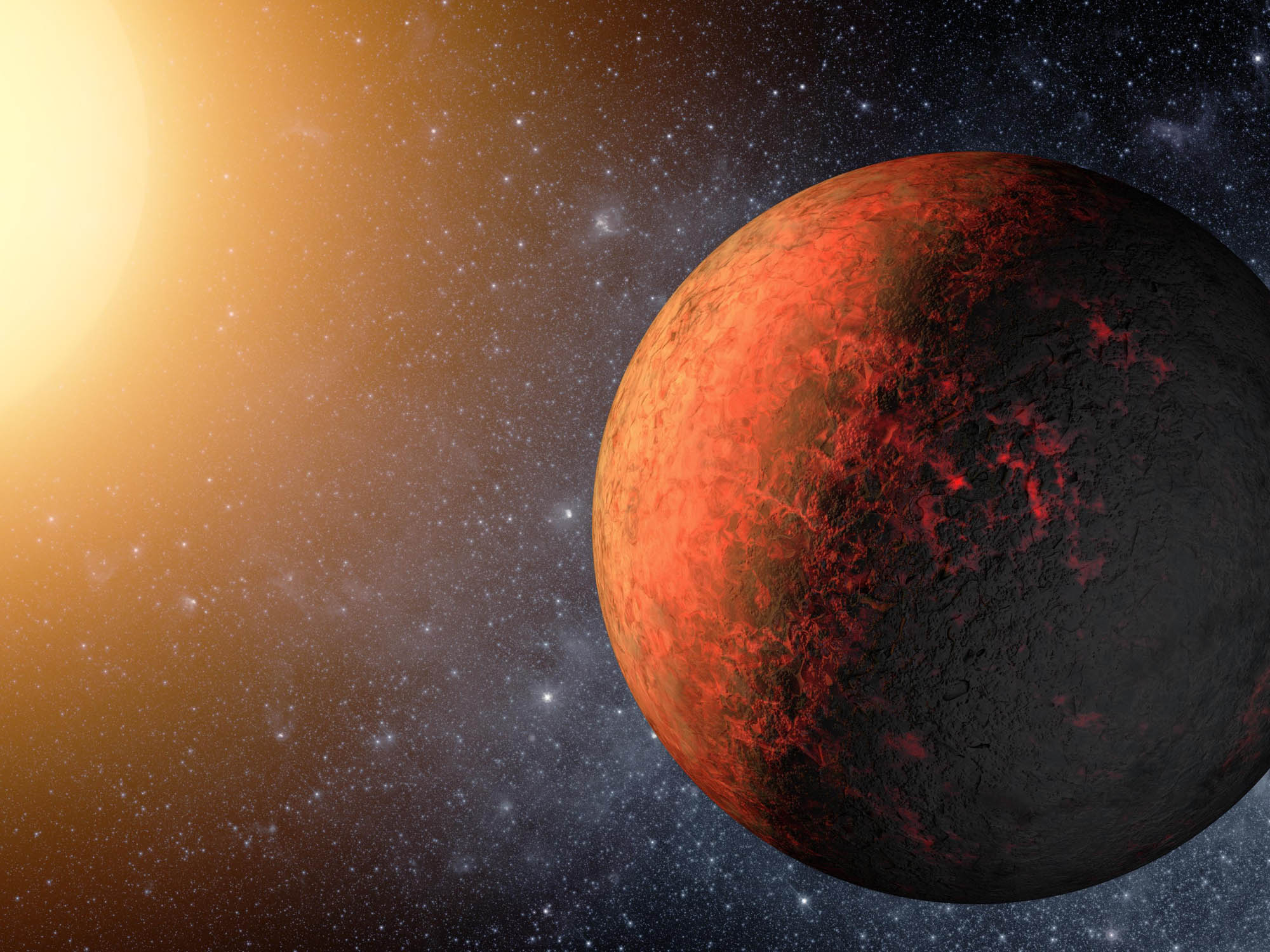
Kepler-20e by Tim Pyle. Image: NASA/Ames/JPL-Caltech
Check out this gallery of exoplanet artworks: The Art and Science of NASA’s Best Exoplanet Illustrations – Science/WIRED –
Kepler-20e by Tim Pyle. Image: NASA/Ames/JPL-Caltech
After procrastinating for ages, I’m finally starting a series of book reviews. I’ll start with Perigee
I’m sure that many space enthusiasts hope that the success of Gravity
Such “futuristic” activities should encourage greater interest in books like Perigee
Richard Branson, the owner of Virgin Galactic, often talks about someday flying passengers across the world with rocket powered descendants of SpaceShipTwo. Though it is quite a feat to send a SS2 vertically past the 100 kilometer line to space and back down safely, it can be surprising to many people to learn that the SS2 could only fly a short distance horizontally. The rocket motor propels the SS2 up to around Mach 3 in 60 seconds and then runs out of fuel. So a horizontal flight would only go as far as it could “coast” on a ballistic trajectory (along with some gliding) after the motor shuts off.
The physics of the rocket equation, chemical propulsion, the lower edge of the first Van Allen Belt, and orbital mechanics mean that a rocket flight from New York to Tokyo will require performance only slightly short of going into orbit. So long distance rocket transportation between points on earth will most likely be derived from an orbital transportation system, not a suborbital space tourism vehicle.
This fact leads to the central crisis in Perigee when a spaceliner gets stuck in orbit. The mystery of how that occurs and what happens to the Clipper, the crew and the passengers is a story well told. The characters are not deeply drawn but are sketched well enough to care about what happens to them.
Perigee is a fun read about a 21st Century the way it should be and might soon be. A fine first novel by Chiles.
(Check out also Patrick’s blog The Chiles Files | It’s not rocket science.)
=========================
The marvelous art of John Harris has made the cover of many science fiction books: Fantastic Sci-Fi Art Shows You a Beautiful, Bewildering Future – WIRED
[]
(Copyright John Harris)
The Last Theorem: Space Elevator
Commissioned by Harper Colllins for the special edition
of the book by Arthur C Clarke
Harris has a new book coming out titled, The Art of John Harris
And here is a segment of a documentary about him: The Secret History Of The Earth
**************************
On Thursday the OPTICKS project bounced off the Moon radio transmissions of images of art from the Humans in Space student art contest. While this was happening, the participants in the Google+ hangout GAM AstroArt: Touching the Moon with Art & Footsteps discussed the project and other aspects of the intersection of science, space and art. Here is a video of the event:
The guests included:
The SETI Institute had a recent event in which their two artists in residence discuss their work: Greater than the Sum. A SETI Artist In Residence Special Event – YouTube
The third installment of the SETI Artist in Residence Program speakers series will feature two authors: Edward Frenkel, professor of mathematics at U.C. Berkeley, and Marc Weidenbaum, whose new book, for the 33 1/3 series, is about the Aphex Twin album Selected Ambient Works Volume II. Frenkel will talk about his recent book, Love and Math: The Heart of Hidden Reality
Weidenbaum will describe his development of a globe-spanning network of hundreds of musicians and sound artists who have participated in the Disquiet Junto, his weekly series of compositional prompts that explore restraint as a creative springboard. Frenkel and Weidenbaum will pose questions to each other at the end, and the evening will be moderated by SETI’s first artist-in-residence, Charles Lindsay.
Greater than the Sum. A SETI Artist In Residence Special Event – YouTube
===================================